
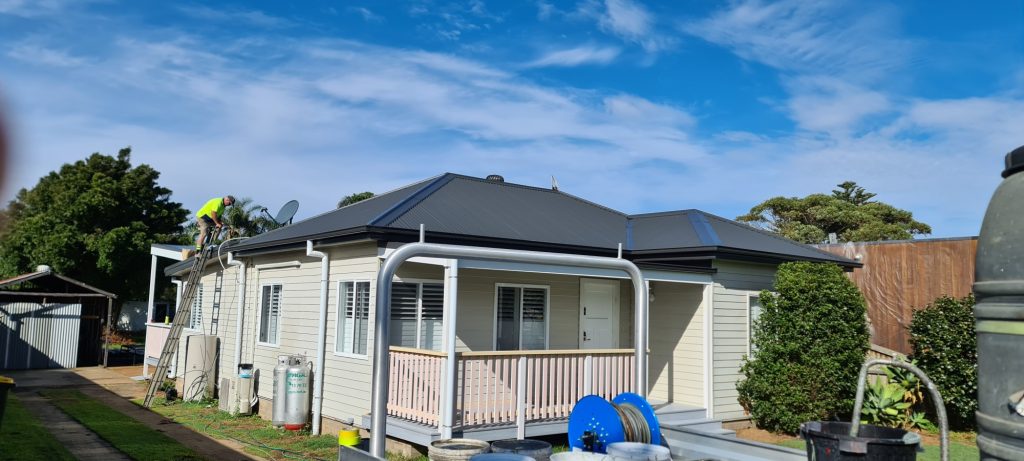
Let’s start with an uncomfortable truth. Somewhere in Sydney right now, a bloke is standing in his driveway, arms folded, staring at his house like it personally offended him. The brickwork’s gone patchy. There’s a hairline crack snaking up near the gutter that definitely wasn’t there when the Sharks last won a premiership. And the render — if there is any — looks like it was applied during a power outage.
You don’t have to live like this.
Rendering is one of those jobs that get ignored until it’s screaming for attention, and then everyone panics and Googles “rendering near me” at 11pm on a Tuesday. So before you fall down that rabbit whole, let’s actually talk about what rendering is, why Sydney homes need it more than most, what the process really involves, and how to pick someone who won’t leave you googling “render crack repair” again in eighteen months.
What Even Is Rendering, and Why Does Sydney Need So Much of It?
Rendering, in plain English, is a protective and decorative coating applied over brick, block, or concrete walls. Think of it as a raincoat for your house that also happens to look sharp. Underneath that smooth (or textured) finish is usually a mix of cement, sand, lime, or acrylic polymers, applied in careful layers by someone who actually knows what they’re doing — which, contrary to what your cousin’s mate with a trowel might claim, is not everyone.
Here’s why Sydney in particular chews through render faster than most cities: our climate is a genuine mixed bag. You’ve got harbourside humidity, salty coastal air rolling in from the Eastern Suburbs and Northern Beaches, blistering UV out west in places like Penrith and Parramatta, and enough sudden downpours to keep every gutter in the city on its toes. Bare brick and unprotected masonry cop the brunt of all that. Over time, moisture creeps in, mortar joints erode, and you end up with damp patches, efflorescence (that chalky white bloom on brick), or worse — structural deterioration nobody notices until it’s expensive.
A proper render job isn’t cosmetic fluff. It’s a barrier between your house and everything Sydney’s weather throws at it.
Why You Should Actually Bother Rendering Your Home
Plenty of homeowners treat rendering as a “nice to have” rather than a “should have.” Here’s the case for moving it up the priority list:
- Weatherproofing that actually works. A correctly applied render sheds water, resists wind-driven rain, and stops moisture from working its way into brick joints and cavities.
- It hides a multitude of sins. Mismatched brick, old repairs and patchy mortar, ugly extensions that don’t quite match the original build — render smooths all of it into one cleans, cohesive surface.
- Genuine street appeal and resale value. Renovation shows didn’t invent this trend for nothing. A crisp, well-rendered facade reads as “well-maintained property” to buyers and agents alike, which tends to translate into real dollars at auction.
- Thermal comfort. A render system adds a layer of insulation between your walls and the outside world, which can take some of the sting out of Sydney’s stinking hot Januarys and its occasional cold snaps.
- Cheaper than a full rebuild, obviously. Rendering revives tired brickwork without the cost, mess, or council headaches of a structural renovation.
If your home’s exterior is doing more embarrassing than protecting, it might be time to stop admiring your neighbour’s freshly rendered place and start asking questions of your own.
The Rendering Process — What Actually Happens
This is the bit most “quick and cheap” operators skip, and it’s exactly why their jobs crack within a year or two. A proper job, done by an experienced Sydney rendering crew, generally follows this rhythm:
- Inspection and surface assessment. Every wall is different. Old brick, new brick, previous render, water damage — it all changes the approach.
- Surface preparation. This is where cowboys get caught out. Loose material gets removed, cracks are raked back, surfaces are cleaned, and where needed, a bonding agent or scratch coat goes on first. Skip this and everything applied on top is basically decoration with a use-by date.
- Base coat application. The structural layer that actually bonds to the wall and does the heavy lifting.
- Second coat / build-up. Depending on the system, additional coats build thickness, strength, and evenness.
- Finish coat. This is where the chosen texture and style come through — smooth, sponge, stipple, or a decorative pattern.
- Curing. Rendering isn’t a “set and forget” job. Proper curing time protects against premature cracking, especially in Sydney’s summer heat where things dry out fast.
Skipping steps is how you end up needing render repairs three years down the track instead of fifteen.
Choosing the Right Type of Render for Your Sydney Home
This is where a lot of homeowners get stuck, mostly because there isn’t one “best” render — there’s a best render for your situation. A few of the main options worth knowing about:
Cement rendering is the classic. A traditional mix of sand, cement, and lime applied to brick or block, giving that timeless, solid finish Sydney homes have worn for decades. It’s durable, relatively affordable, and suits heritage-style properties beautifully. If you want the full breakdown of how this system works and where it shines, our guide to cement rendering across Sydney covers it properly.
Acrylic rendering brings polymers into the mix, which makes it more flexible and considerably more crack-resistant than straight cement. It’s a strong pick for newer builds, lightweight substrates, or homes in areas prone to minor movement. We’ve gone deeper into why acrylic systems have become so popular on our acrylic rendering page.
Texture coating is less about protection and more about personality. It’s the finish that lets you go beyond flat and boring — think sponge, stipple, or decorative pattern finishes that add real depth and character to a facade. Have a look through the options on our texture rendering page if you’re after something with a bit more visual punch.
Granosite is a tougher, more heavy-duty coating that’s particularly good for surfaces copping a beating — think boundary walls, commercial facades, or older homes that need serious definition and durability. You can read more about where granosite fits best on our granosite rendering page.
The honest answer to “which one should I get?” almost always depends on your wall’s age, substrate, exposure to weather, and the finish you’re chasing — which is exactly why a proper site inspection beats guessing from a brochure.
When Render Goes Wrong: Cracks, Bubbling and Other Sydney Classics
Even good render doesn’t last forever, and bad render definitely doesn’t. Cracking is the most common complaint we see across Sydney, and it usually comes down to one (or several) of these:
- Rushed or skipped surface prep — the render never properly bonded in the first place.
- Incorrect mix ratios — too much cement, not enough lime, and you get a rigid, crack-prone finish.
- No control joints — larger walls need movement joints, or stress cracks are basically guaranteed.
- Moisture trapped behind the render — often from poor flashing or drainage, which shows up as bubbling, staining, or that telltale hollow sound when you tap the wall.
- Old age and weather fatigue — even a well-done job eventually needs touch-ups after enough Sydney summers and storms.
The good news is that most of this is fixable without a full re-render. If your walls are cracking, chipping, or just looking tired, it’s worth getting them assessed properly rather than watching a small problem become a big one. Our render repair specialists deal with exactly this kind of damage control every week, blending patch-ups seamlessly into the existing finish so you’re not left with an obvious “here’s where we fixed it” patch.
What to Look for in a Sydney Rendering Contractor
Because rendering looks deceptively simple, Sydney has no shortage of people offering to do it on the cheap. Here’s how to sort the professionals from the weekend warriors:
- Licensing and accreditation. A fully licensed renderer isn’t optional — it’s your protection if something goes wrong.
- A real portfolio, not just a few phone photos. Ask to see completed jobs, ideally similar to your property type and era.
- Clear, upfront quoting. No vague “we’ll sort it out on the day” pricing.
- Knowledge of your specific suburb’s conditions. Coastal salt exposure, bushfire-prone zones, heritage overlays — these all change the right approach.
- A workmanship guarantee. Confidence in the work should come with something in writing.
If you want a feel for the standard of finish you should expect, our project gallery is worth a browse before you commit to anyone — it’s a fast way to see what “done properly” actually looks like. We’re also upfront about the materials we work with, which you can check out on our products page, because a good finish is only as good as what’s going onto your wall.
How We Help at J & R Rendering
We’ve been doing this across Sydney’s Metro area long enough to have seen every version of “she’ll be right” go horribly wrong — and to know exactly what does the job properly the first time. Whether it’s a full cement render on a Federation home in the Inner West, an acrylic system on a newer build out in the Hills District, a decorative texture finish for a renovation in the Eastern Suburbs, or a granosite job on a commercial boundary wall, our approach doesn’t change: proper prep, quality materials, and a finish that’s built to handle whatever Sydney throws at it next.
Cracks don’t scare us either. If your existing render has seen better days, we can usually repair and blend rather than rip everything back to brick, which saves you both time and money.
Curious about a project we’ve done in your area, or want to see more of what we get up to? Our blog has a growing library of suburb-specific write-ups and rendering guides worth a read.
Frequently Asked Questions
How long does cement rendering actually last in Sydney conditions? A properly applied cement render, done with the right prep and mix ratios, should comfortably last 10–15 years or more before needing a repaint or minor touch-ups, depending on sun and weather exposure.
Is acrylic rendering better than cement rendering? Neither is “better” outright — acrylic is more flexible and crack-resistant, which suits homes with lightweight substrates or minor movement, while cement rendering gives that classic, solid, heritage-appropriate finish. It comes down to your property and priorities.
Can you render over an existing render that’s cracked? Sometimes, but it depends on the extent of the damage. Minor cracking can often be repaired and blended. More extensive failure usually needs the damaged sections removed and re-rendered properly so the new work doesn’t just crack again.
Do I need council approval to render my house in Sydney? For most standard residential rendering, no — but heritage-listed properties or homes in certain conservation areas can have restrictions, so it’s worth checking with your local council or asking your renderer if they’ve dealt with your area before.
What’s the difference between texture coating and granosite? Texture coating is generally about achieving a decorative finish and visual character, while granosite is a tougher, more heavy-duty coating often chosen for durability on exposed or high-traffic surfaces like boundary walls.
How do I know if my cracks need a full re-render or just a repair? Hairline cracks and small chips are usually a straightforward repair job. Widespread cracking, bubbling, or render that sounds hollow when tapped often points to a deeper bonding failure, which is worth getting properly inspected rather than patched.
Ready to Sort Your Walls Out?
If your home’s exterior has been quietly embarrassing you every time you pull into the driveway, it doesn’t have to stay that way. Get in touch with the team via our contact page for a free quote, and we’ll tell you straight what your walls actually need — no upselling, no vague quotes, just a proper job done right.