
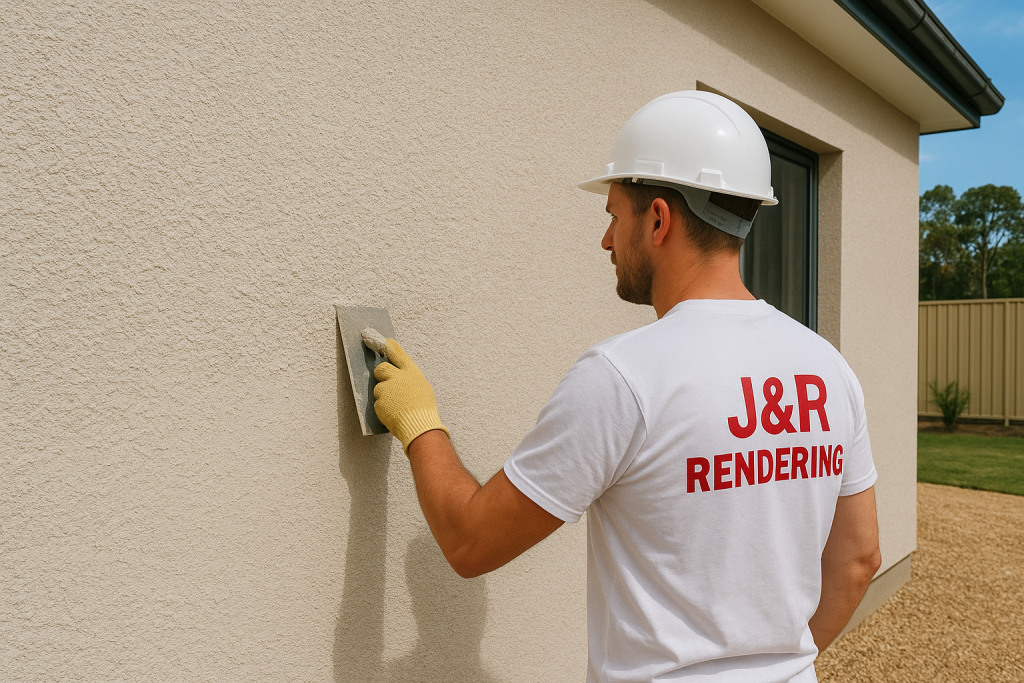
Let’s be honest. That bare brick wall out front? It’s not exactly setting the street on fire.
Sydney homeowners are increasingly waking up to a simple truth: the outside of your home does a lot of heavy lifting. It’s the first thing the neighbours see. It’s the first thing buyers see. It’s the first thing you see every time you pull into the driveway — and if it looks like it hasn’t been touched since the 90s, that feeling adds up.
The good news? There’s a whole world of textured wall rendering options out there that can completely transform the look of your home, protect it from Sydney’s famously unpredictable weather, and add genuine dollar value to your property — without knocking anything down.
In this guide, we’re going to walk you through everything you need to know about texture rendering in Sydney: what it is, why it matters, how the process actually works, and how to tell a quality job from a dodgy one. Let’s get into it.
First Up: What Even Is Textured Wall Rendering?
If you’ve ever driven past a home with those beautiful, slightly rough or patterned exterior walls — not painted, not bare brick, something in between — you’ve seen texture rendering in action.
Texture rendering (sometimes called texture coating or decorative rendering) is the process of applying a specially formulated compound over your external or internal walls to create a protective, decorative finish. Think of it like a high-performance skin for your home. It covers imperfections, adds visual depth, resists cracking, and handles weather like a champ.
Unlike paint, which just sits on the surface, a properly applied textured render actually bonds to the wall substrate. The result is a finish that doesn’t peel, bubble, or fade the way conventional paint does — especially under Sydney’s harsh summer sun and those brutal westerly winds in spring.
There are several types of textured wall rendering commonly used on Sydney homes:
- Acrylic texture rendering — polymer-based, highly flexible, and available in hundreds of colours and textures. Perfect for modern homes.
- Cement wall rendering — the traditional workhorse. A sand-and-cement mix that creates a solid, durable base suitable for most wall types.
- Decorative rendering — more artistic applications that can mimic stone, travertine, or create custom patterns for feature walls.
- Texture coating — a topcoat layer applied over a base render, available in finishes from ultra-smooth to coarse and granular.
Each has its place, and choosing the right one comes down to your wall type, the look you want, and how your home is exposed to the elements. This is why speaking to experienced renderers (rather than just grabbing something off a shelf at the hardware store) makes all the difference.
Why Should Sydney Homeowners Actually Bother with Texture Rendering?
Fair question. Rendering isn’t the cheapest renovation decision you’ll ever make, so it’s worth understanding what you’re actually paying for.
-
Sydney Weather Is Not Kind to Unprotected Walls
Sydney gets baked in summer, drenched in spring, and blasted by salt air if you’re anywhere near the coast. Bare brick, plain cement, or older rendered walls absorb moisture, develop cracks, and invite mould over time. A quality exterior texture finish creates a weather-resistant barrier that slows all of that down significantly.
Acrylic texture rendering, in particular, is formulated to handle thermal expansion — that constant cycle of walls heating up and cooling down. That’s why it resists cracking better than traditional cement render alone.
-
It Instantly Modernises Your Home’s Exterior
There’s a reason modern texture rendering has become one of the most popular renovation choices across Sydney suburbs from Parramatta to Penrith and the Inner West to the Northern Beaches. A well-rendered exterior can make a 1970s double-brick home look like a contemporary architectural build. It’s transformative in a way that repainting simply isn’t.
A smooth, sand-finished or roll-on textured exterior signals care, quality, and investment. It makes your home look finished — in the best possible way.
-
It Adds Real Property Value
This isn’t just anecdote. Real estate agents across Sydney consistently report that well-rendered homes attract stronger buyer interest and can command higher sale prices. Buyers notice kerb appeal. They feel it before they even walk through the door.
For investment property owners, a fresh decorative rendering job can meaningfully increase rental appeal too. Tenants, like buyers, respond to how a home looks from the street.
-
It’s Lower Maintenance Than You Think
Once a quality textured render for your home is applied and properly sealed, it doesn’t need the same constant attention as paint. No annual repaints, no dealing with peeling in the heat, no chasing bubbles after heavy rain. An occasional wash-down is usually all it needs to stay looking sharp.
The Different Types of Texture Finishes — What’s Right for Your Home?
One of the things first-timers find surprising is just how many options there are. “Textured rendering” isn’t one thing — it’s a whole family of finishes, and the right choice depends on your aesthetic goals, your suburb’s style, and your wall’s existing condition.
Here’s a practical breakdown:
Smooth / Fine Sand Finish
Clean, crisp, and popular with contemporary architectural homes. Think Scandi-minimalist or Hamptons-inspired exteriors. Works brilliantly with light, neutral colour palettes. Pairs beautifully with feature cladding.
Medium Texture / Sponge Finish
The classic Australian rendering finish. It has a gentle, tactile surface that doesn’t shout but adds definite character. It’s forgiving of minor surface imperfections underneath, which makes it a smart choice for older homes.
Coarse / Granular Texture
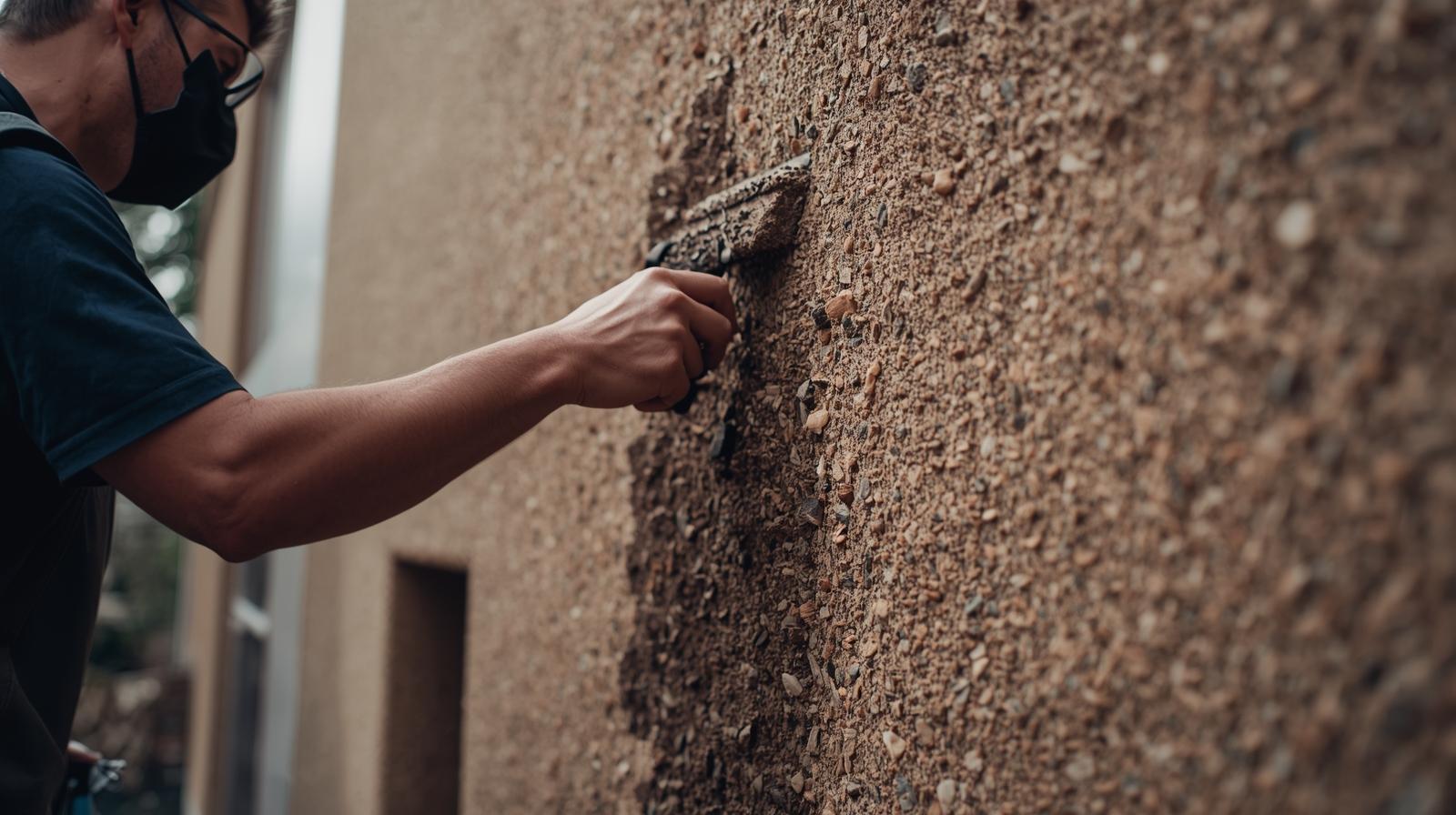
More rustic, more substantial. Looks great on larger homes, heritage-adjacent styles, or anywhere you want the wall to have real visual weight. Also excellent at hiding more significant surface variations in the original substrate.
Roll-On Texture Coat
Applied using a special roller to create a uniform, patterned effect. Very popular for both residential homes and commercial facades. Fast to apply, consistent in appearance, and extremely durable.
Scrape / Trowel Finish
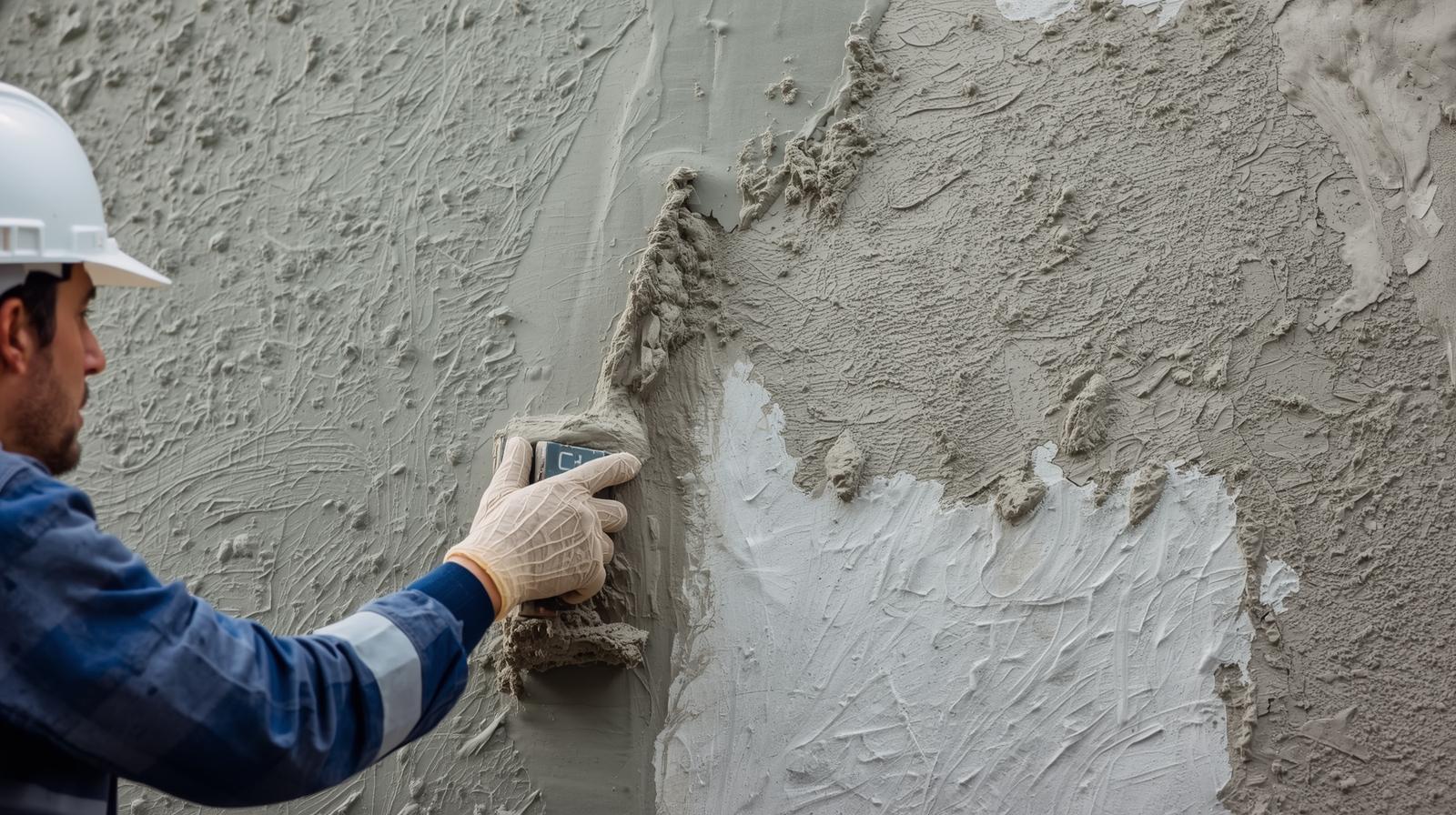
Applied and then partially scraped back or trowelled to create directional or organic patterns. Highly decorative. Great for feature walls, courtyard spaces, or when you want something a bit more bespoke.
When you’re talking to a renderer about your project, bring photos of finishes you like — it makes the conversation much easier and helps avoid the classic situation of someone expecting smooth and getting something that looks like a pebbledash nightmare.
How Does the Texture Rendering Process Actually Work?
This is where a lot of homeowners get caught out — they assume it’s a one-day spray-and-go job. Good texture coating isn’t. Here’s what a proper process looks like from start to finish.
Step 1: Site Assessment and Scope
A decent renderer starts with a proper look at your walls. They’re checking for cracks, previous coatings that might need to come off, moisture issues, the substrate type (brick, hebel, blueboard, concrete), and access requirements. This informs both the product selection and the quote.
Step 2: Surface Preparation
This is where most cheap jobs cut corners — and where most cheap jobs fail. Surfaces need to be cleaned, old loose material removed, cracks repaired, and the wall properly primed for adhesion. Skip this step and even the best acrylic texture render will start delaminating within a few years.
Step 3: Base Coat (Where Required)
For bare brick, block, or concrete walls, a cement render base coat is typically applied first. This creates a level, stable substrate for the texture coating to go over. J&R Rendering’s cement rendering service handles this stage with precision — it’s the foundation everything else depends on.
Step 4: Texture Coat Application
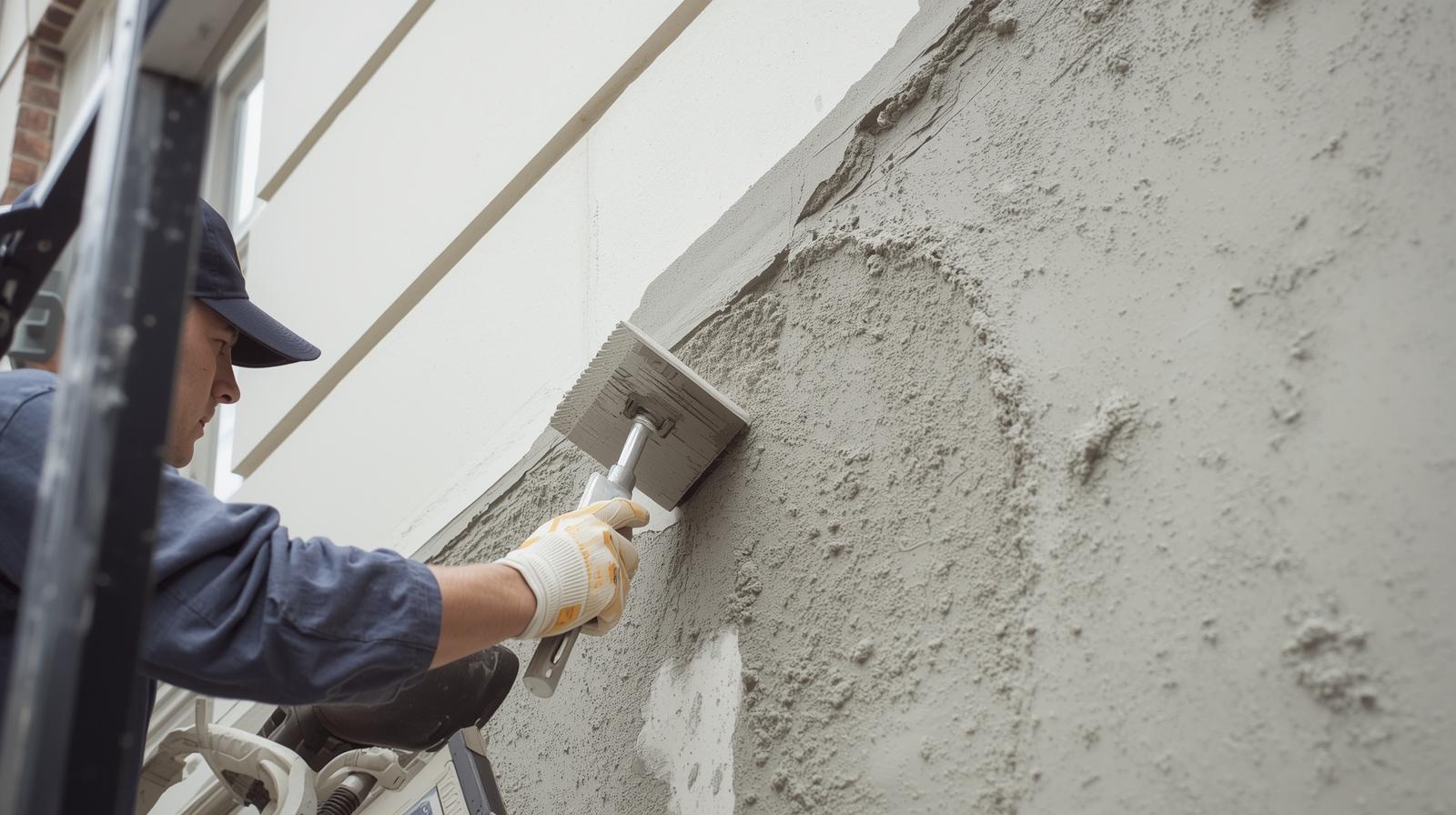
The decorative render or texture coating is then applied to the prepared base. Depending on the finish type, this might be done with a trowel, a sponge, a roller, or a spray system. Multiple passes may be required for thicker or more textured finishes.
Step 5: Sealing and Finishing
A quality job is usually finished with a sealant or acrylic topcoat that locks in the colour, boosts weather resistance, and makes the surface easier to clean. This step significantly extends the life of the whole system.
The full process for an average-sized Sydney home typically runs across two to four days, depending on complexity, wall condition, and weather. Anyone promising to do it in an afternoon is either doing a very small job or cutting corners you don’t want cut.
Acrylic Texture Rendering vs Cement Rendering: Which One Do You Need?
This question comes up constantly, so let’s clear it up.
Cement rendering uses a traditional sand-and-cement mix. It’s cost-effective, extremely durable, and creates an excellent base. It’s the go-to for achieving a solid foundation coat, especially on brick or block walls. The texture options are more limited compared to acrylic systems, and it generally needs painting once cured if you want colour.
Acrylic texture rendering uses a pre-mixed polymer compound. It’s more flexible (great for walls that experience thermal movement), available in an enormous range of colours and textures straight out of the bucket, and doesn’t require separate painting. It’s the preferred choice for most modern textured render for homes in Sydney right now — particularly for exterior applications where weather performance is critical.
In practice, many quality rendering jobs use both: a cement base coat for structural stability and an acrylic texture coat on top for the decorative finish and long-term weather protection. That combination gives you the strength of traditional rendering with the flexibility and aesthetic range of modern acrylic systems.
You can explore the full range of what these different finishes look like and how they’re applied — seeing real-world examples goes a long way in helping you decide what’s right for your home.
What to Look for in a Texture Rendering Company in Sydney
Sydney has no shortage of people offering rendering services. Quality, though, varies enormously — and a bad rendering job is expensive to fix. Here’s what separates the good from the not-so-good.
Licensed and Accredited
In NSW, rendering work above a certain value requires a licensed contractor. Always check for a valid contractor licence number. It’s basic, but you’d be surprised how many people skip this check and regret it later.
They Use Quality Products
The brand of render and texture coating used matters a lot. Products from reputable manufacturers like Rockcote, Unitex, and Dulux AcraTex are formulated for Australian conditions. A renderer who’s vague about what they’re using is a renderer worth being cautious about. The products used on your home are as important as the tradesperson applying them.
They Do a Proper Quote
A quality renderer doesn’t quote off the top of their head from a phone call. They visit the site, assess the walls, and provide a written quote that itemises the scope. This protects both parties and ensures there are no nasty surprises mid-job.
Portfolio and References
Ask to see past work. Any experienced texture rendering company working in Sydney should have a portfolio of completed projects — ideally homes in similar styles or with similar challenges to yours.
They Communicate Clearly
This sounds obvious but it’s genuinely one of the biggest complaints homeowners have. A renderer who explains the process, answers your questions without making you feel daft for asking them, and keeps you updated during the job is worth their weight in gold.
The Cost of Texture Rendering in Sydney — What to Expect
Pricing for texture coating services in Sydney varies based on several factors:
- Wall area — the single biggest driver of cost
- Wall condition — heavily cracked or contaminated walls need more prep, which adds cost
- Finish type — some decorative rendering finishes are more labour-intensive than others
- Access — scaffolding or elevated work platform hire adds to the bill
- Product quality — premium acrylic systems cost more than basic finishes but last longer
As a rough guide, texture coating in Sydney typically ranges from around $40–$80 per square metre for supply and application, depending on the above factors. A full exterior of an average-sized Sydney home might run anywhere from $8,000 to $25,000+ depending on complexity.
The cheapest quote isn’t always the best value. A quality exterior texture finish applied correctly will last 15–20 years with minimal maintenance. A cheap job that needs redoing in five years is never the bargain it seemed.
Get a few quotes, compare scope (not just price), and ask questions. A good renderer will welcome the scrutiny.
How J&R Rendering Approaches Texture Rendering in Sydney
Here’s where we get a bit personal — because not all rendering companies are built the same.
J&R Rendering is a fully accredited, licensed rendering specialist operating across Sydney’s metropolitan area. They’re not a jack-of-all-trades building company who does rendering on the side — this is their whole game.
What that means in practice:
- Genuine expertise across cement rendering, acrylic texture systems, decorative finishes, and specialised coatings
- Product knowledge that comes from years of working with the leading render manufacturers in Australia
- A proper process — site assessment, surface prep, quality materials, clean execution, no shortcuts
- Transparent quoting with no hidden costs or scope creep mid-project
- Work you can actually see — a portfolio of completed homes across Sydney suburbs that demonstrates what the finished product looks like
The full range of rendering services covers everything from basic cement render through to high-end decorative texture finishes. Whether you’re after a sleek, smooth modern facade or something with more character and depth, the team will help you find the right solution for your home and your budget.
And if you’re not sure where to start? That’s fine too. The J&R blog is a genuinely useful resource for homeowners trying to get their head around what’s involved before they pick up the phone.
Common Questions About Textured Wall Rendering in Sydney
Can texture rendering be applied over existing paint? In some cases, yes — but the existing surface needs to be assessed first. Old, flaking paint typically needs to be removed before rendering over it to ensure adhesion. A site inspection will determine what’s possible.
How long does texture rendering last? A properly applied acrylic texture render on a Sydney home, with a quality topcoat, can last 15–25 years before it needs attention. The key variables are surface prep quality and the grade of product used.
Can texture rendering be done on the interior of a home? Absolutely. Decorative rendering on interior feature walls is increasingly popular — particularly in living areas, entryways, and behind fireplaces. Interior applications use slightly different products but the same fundamental approach applies.
Does texture rendering add value to my home? Consistently, yes. Particularly for older homes where the exterior looks dated, a fresh texture render can have a significant positive impact on buyer perception and property appraisals.
What’s the difference between rendering and plastering? Rendering generally refers to exterior applications (though it can be interior), while plastering is typically interior. The materials and techniques overlap but aren’t identical. A professional renderer will know which approach applies to your specific project.
The Bottom Line
Your home’s exterior is doing real work — protecting the structure, communicating your care as a homeowner, and contributing to your property’s market value every single day. Textured wall rendering is one of the most effective ways to upgrade all three at once.
Whether you’re looking at acrylic texture rendering for a modern home refresh, a cement render and texture coat combo for a heritage renovation, or decorative rendering to create something a bit more bespoke — the right product, properly applied by experienced hands, delivers results that hold up for decades.
If your Sydney home is ready for an upgrade, or you’re not quite sure where to start, reach out to the team at J&R Rendering for an obligation-free quote. They’ll take a proper look at your walls, talk you through the options, and give you a realistic picture of what’s involved — no sales pressure, just straight talk from people who do this every day.
Because the best time to sort out those walls was five years ago. The second-best time is now.
J&R Rendering are fully accredited, licensed cement and texture renderers operating across the Sydney metropolitan area. Call 0414 381 122 for a free, no-obligation quote.