
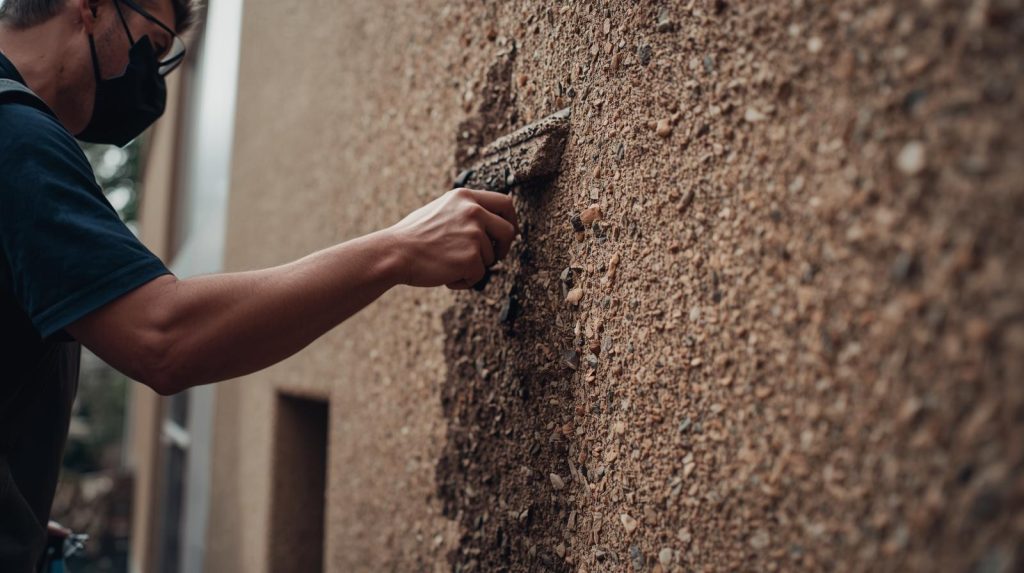
Let’s be honest for a sec — most Sydney homeowners don’t think about their exterior walls until something goes seriously wrong. Maybe you’ve noticed hairline cracks creeping across the facade. Maybe the render is bubbling off in chunks and your neighbour’s been giving it side-eyes. Or maybe you typed “cement render near me” into Google at 11pm in a mild panic.
Either way, welcome. You’re in the right place.
This isn’t one of those dry, textbook-style articles that treats you like you’re sitting a plastering exam. This is a real, no-nonsense breakdown of how rendering works in Sydney — from timber substrates to cracked render restoration — written for actual homeowners who just want their homes to look great, last the distance, and stop embarrassing them at the street.
Let’s get into it.
What Even Is Rendering — And Why Does Your Sydney Home Need It?
Rendering is the process of applying a protective and decorative coat to the exterior (or sometimes interior) walls of a building. Think of it as your home’s armour — a properly rendered surface shields the structural substrate beneath from Sydney’s notorious weather swings: the blazing summer UV, the coastal salt air, the sudden storms that drench everything in sight.
Without it? Brick, block, and timber substrates slowly absorb moisture, expand, contract, and eventually deteriorate. It’s not dramatic. It’s just slow, expensive decay — the kind that sneaks up on you.
A quality render does two jobs at once: it protects and it impresses. A freshly rendered home can completely transform a street facade, dramatically boost kerb appeal, and — let’s be real — add serious value to the property. It’s one of the best bang-for-buck exterior upgrades you can make in the Sydney metro area.
That’s exactly what the team at J & R Rendering has been delivering to Sydney homeowners for years — accredited, professional rendering that goes beyond slapping mud on a wall.
Wood Rendering in Sydney: The Part Nobody Talks About Enough
Here’s where things get interesting — and a bit technical. Most Sydneysiders assume rendering is strictly for brick and block homes. But timber-framed and weatherboard properties need love too, and that’s where wood rendering (or rendering over timber substrates) comes into play.
Can You Render Over Wood?
Short answer: yes, but you can’t just bung render straight onto a timber wall and call it a day. Wood is a naturally flexible, moisture-absorbing material — it moves seasonally, swells with humidity, and shrinks when dry. That movement will crack a rigid cement render within a season if the job isn’t done right.
Here’s how it’s done properly:
Step 1 — Prepare the Timber Surface Raw timber, plywood, or weatherboard needs to be prepped before any render goes on. A breathable membrane is applied first, followed by timber battens to create a ventilation gap between the wood and the render system. This airflow is critical — it stops moisture from getting trapped and rotting the timber beneath.
Step 2 — Install Render Carrier Boards Render can’t bond directly to most timber products. That’s why engineered render carrier boards are fixed over the battens. These boards have the right surface porosity to accept and hold render. All joints between boards must be sealed with carrier board tape — unsealed joints are one of the most common causes of render failure on wood-framed surfaces.
Step 3 — Choose the Right Render Type For timber substrates, acrylic render is almost always the superior choice over traditional cement. Why? Because acrylic render is flexible — it can move slightly with the building without cracking. On a substrate that naturally flexes like timber, that flexibility is everything. Cement render’s rigidity makes it far more vulnerable to cracking on wood-framed buildings.
Step 4 — Application & Curing Once the carrier board system is in place, the acrylic render is applied in coats — base coat first, then a decorative or texture finish coat. Proper curing time must be respected, especially in Sydney’s summer heat where render can dry too fast and lose strength.
Step 5 — Finishing & Texture This is where the fun starts. The finish coat can be smooth, sponge-floated, or decorated with a modern texture rendering pattern that gives the home its distinct character. Textured finishes are particularly popular on formerly timber-clad homes making the switch to a contemporary rendered look.
This entire process requires experience, the right products, and a renderer who understands substrates — not just someone who can mix a bucket of render. The cement rendering team at J & R Rendering has the accreditation and expertise to handle timber, brick, block, fibre cement, and more — across all of Sydney’s metropolitan areas.
The Full Rendering Process: What Happens on Your Property
Whether it’s a timber-frame or a classic brick double-storey in Parramatta, the professional rendering process follows a clear, structured sequence. Here’s what you should expect when you bring in a quality renderer:
- Site Inspection & Substrate Assessment
A proper renderer doesn’t just show up with a trowel. They assess the wall condition, identify any existing cracks, moisture issues, or drummy (hollow) sections that need addressing before any render goes on. Skipping this step is how dodgy jobs end up needing repairs within two years.
- Surface Preparation
This is the unglamorous part that separates a job that lasts 20 years from one that starts peeling in 3. Surfaces are cleaned, old failing render is removed, cracks are repaired, and appropriate primers or bonding agents are applied to ensure proper adhesion.
- Corner Bead & Control Joint Installation
Crisp, straight corners don’t happen by accident. Metal or PVC beads are installed at all external corners and expansion joints to control how the render moves over time and to deliver those sharp, clean architectural lines.
- Base Coat Application
The first structural layer of render goes on — applied to specification, levelled, and floated to a uniform surface. This is where thickness and evenness matter enormously. An experienced renderer applying 6–10mm at consistent thickness is a very different animal from a novice going too thin.
- Finish Coat & Texture
The top coat delivers the final look — whether that’s a smooth steel-trowel finish, a sponge float texture, or something more decorative. Check out J&R’s full texture rendering options in Sydney if you want to explore what’s possible.
- Curing & Quality Inspection
Cement render needs moisture-management during curing — rushing this stage causes the surface to lose strength and become friable (crumbly). A final inspection checks for uniformity, adhesion, and finish quality before the job is signed off.
Types of Rendering Services in Sydney — Which One Is Right for You?
Not all rendering is the same, and the right choice depends on your property type, substrate, aesthetic goals, and budget. Here’s the rundown:
Cement Rendering
The classic. A sand-cement-lime mixture applied to masonry walls — brick, block, or concrete. It’s the most cost-effective option, incredibly durable on the right substrates, and gives that solid, traditional finish that still looks brilliant with a good paint job. Cement rendering across Sydney is still the most commonly requested service for good reason — it’s proven, affordable, and long-lasting when done correctly.
Acrylic Rendering
Gaining massive popularity across Sydney’s renovating suburbs, acrylic render services use a polymer-modified mix that offers superior flexibility, crack resistance, faster curing, and better adhesion on a wider range of substrates — including fibre cement and painted surfaces. Colour is also integrated into the mix, reducing the need for a separate paint job. Ideal for anyone wanting a modern, contemporary finish without the ongoing maintenance headache.
Granosite Rendering
Granosite is a water-based acrylic texture coating with a distinctive granular finish — it’s been used on Sydney homes for decades and still delivers a classic, textured look that ages beautifully. J&R Rendering are recognised granosite rendering experts in Sydney, applying this finish across residential properties throughout the metropolitan area. It’s particularly popular in older Sydney suburbs where that slightly rougher, textured aesthetic fits the neighbourhood character.
Texture Rendering & Decorative Finishes
Modern texture rendering goes well beyond a simple coat of render — it’s about creating decorative surface patterns and architectural character. From smooth Venetian-style finishes to contemporary geometric textures, the range is impressive. If you want a home that genuinely stands out on the street, modern texture rendering in Sydney is worth exploring in detail.
Cracked Render? Don’t Ignore It — Here’s Why
Cracked render is one of those things Sydney homeowners love to put off. It looks like a cosmetic issue. It’s usually not.
Render cracks are one of the earliest warning signs of moisture ingress. Once water gets behind the render, it gets into the substrate — and from there, the issues compound quickly. Efflorescence (those white salt stains), delamination, structural damage to the wall beneath — none of it is cheap to fix once it’s progressed.
Common causes of render cracking in Sydney homes:
- Poor substrate preparation during the original job
- Render applied too thin
- Natural building movement over time
- Thermal expansion — particularly brutal in Sydney’s western suburbs where summer temperatures regularly hit 40°C+
- Age — even a great render job eventually needs attention
The good news? Cement render crack repair in Sydney — done properly — can restore a wall completely. J&R’s repair process involves removing all failed and drummy render sections (not just patching over them — that’s a bodge job), addressing the underlying cause, and reinstating with a compatible render system that blends seamlessly with the existing finish.
Render restoration is a specialised discipline. Getting it right means understanding why the failure happened in the first place, not just filling the crack and hoping for the best. If you’ve got cracking, spalling, or blistering render anywhere on your Sydney property, the smartest move is a professional inspection before the situation gets worse — and more expensive.
The Benefits of Professional Rendering: More Than Just Looks
Let’s pull it all together. Here’s why investing in quality rendering for your Sydney home is one of the best decisions you can make:
Structural Protection — A properly applied render coat creates a barrier against moisture, wind, and UV radiation. Sydney’s coastal and urban environments are genuinely tough on building exteriors, and render is your first line of defence.
Dramatic Kerb Appeal — There’s a reason freshly rendered homes sell faster and for more money. A clean, modern rendered exterior makes an immediate visual impact. Whether you go with classic cement render, a contemporary acrylic finish, or the distinctive texture of granosite, the transformation is almost always stunning.
Increased Property Value — Rendering is consistently cited by Sydney real estate agents as one of the highest-return exterior upgrades for residential properties. The investment typically delivers well beyond its cost at resale.
Low Long-Term Maintenance — A quality render job — done with the right materials on a properly prepared surface — should last 20+ years before needing significant attention. Compare that to timber cladding or painted brick, which needs regular repainting and ongoing upkeep.
Energy Efficiency — Rendered walls have improved thermal mass, helping regulate interior temperatures and reducing reliance on heating and cooling systems. Good for your power bill, and the planet.
Weather Resistance — Acrylic and cement render systems are designed to handle Australia’s harsh climate conditions, from coastal salt air in the Eastern Suburbs to intense western sun in Penrith and beyond.
Why Choose J&R Rendering for Your Sydney Property?
When you’re searching for a renderer in Sydney — whether it’s a quick crack repair or a full home render restoration — you want someone accredited, experienced, and honest. The team at J & R Rendering ticks all those boxes and then some.
Here’s what sets them apart:
- Fully accredited and licensed — not a bloke with a bucket and a trailer
- Expert across all render types — cement, acrylic, granosite, texture, repairs
- They use quality products — check out the materials J & R work with for full transparency
- Sydney-wide coverage — metropolitan area, no dramas
- Free inspection and quote — no commitment, no pressure
- 24/7 emergency render repair — because sometimes a wall decides to misbehave at the worst possible time
- Hundreds of satisfied Sydney homeowners — from Baulkham Hills to North Shore, the testimonials speak for themselves
Whether you’ve got a brick Federation home that needs a fresh cement render, a timber-framed property requiring a full wood render system, or a rendered wall that’s cracking and in desperate need of professional restoration — J & R Rendering delivers the workmanship and the finish to be proud of.
Ready to Get Your Sydney Home Looking the Business?
If your walls could talk, they’d probably be asking for help. Don’t leave it until a hairline crack becomes a structural headache or that bubbling render becomes a full-blown delamination nightmare.
Call Ray at J & R Rendering today on 0414 381 122 for a free inspection and quote — or browse the full range of professional cement rendering services across Sydney to find out what’s possible for your property.
Your home deserves better than cracked render and good intentions. Let’s fix it properly.
J&R Rendering services all of Sydney’s metropolitan areas including Parramatta, North Shore, Baulkham Hills, Merrylands, Greystanes, Putney, and beyond. Fully accredited, licensed, and ready to deliver quality rendering that lasts.