
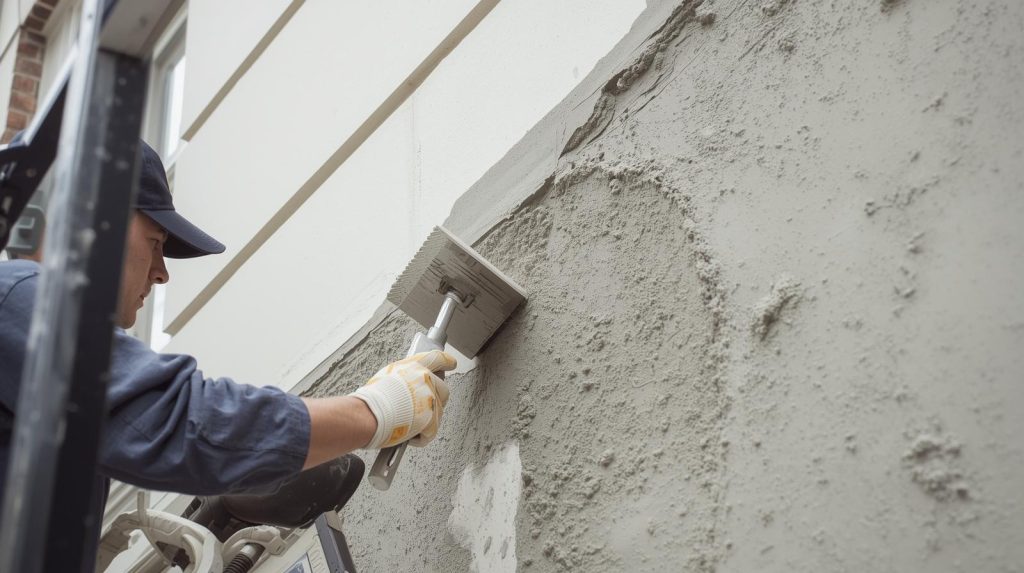
If you’ve ever stood on your nature strip squinting at your own house wondering why it looks like it’s aged forty years in a decade, congratulations — you’ve just discovered the wonderful world of Sydney rendering. Between the salt air rolling in off the coast, the UV that could peel paint off a Bunnings shed, and the odd east coast low dumping a month’s rain in an afternoon, our render doesn’t just sit there looking pretty. It works for a living. And like anything that works hard in this climate, it eventually needs some love.
This is the guide we wish more homeowners had before they got three quotes, three different opinions, and zero clarity. We’re going to walk through what rendering Sydney homes actually involves, the difference between cement, acrylic, texture and Granosite systems, when repairs make more sense than a full re-render, and how to avoid handing your hard-earned cash to someone with a trowel and a dream. The team at J & R Rendering has spent years knee-deep in this stuff across every postcode from the Eastern Suburbs to the Hills District, so consider this the shortcut past the guesswork.
Why Sydney Houses Need Rendering In The First Place
Brick veneer and blockwork are brilliant, until you factor in that Sydney sits in a temperate climate with a habit of extremes. Hot, dry stretches bake your brickwork and cause hairline movement. Then a sudden downpour drives moisture straight into any crack that’s opened up. Add coastal salt spray if you’re anywhere near Bondi, Manly or the Sutherland Shire, and you’ve got a recipe for efflorescence, spalling brick, and that grey, tired look creeping across your facade.
Rendering isn’t just cosmetic, although a fresh render absolutely does wonders for kerb appeal (your real estate agent will thank you when it’s time to sell). It’s a genuine weatherproofing layer. Done properly, it locks moisture out, smooths over imperfections in the brick, and buys your home decades of protection. Done badly — and there’s a lot of “done badly” out there — it traps moisture in, cracks within a year, and costs you double to fix.
Cement Rendering: The Old Reliable
Cement render is the OG. It’s a mix of sand, cement and lime, hand-applied in a base coat and finishing coat, and it’s been the standard finish on Australian homes since well before anyone was googling “rendering near me.” If you own a heritage home in the Inner West or a classic brick bungalow out in Parramatta, cement render is often still the right call — it gives that traditional, smooth, slightly textured look that suits older architecture and it’s generally the most budget-friendly option per square metre.
The catch is that cement render needs proper curing time (up to a few weeks) and it’s less forgiving of building movement, meaning hairline cracking can show up over the years, especially on newer builds that are still settling. It’s also a job where technique matters enormously — get the mix ratio wrong or rush the coats and you’ll see it in twelve months, not twelve years. This is exactly why so many Sydney homeowners search for cement rendering Sydney specialists rather than a general handyman — the finish lives or dies on the applicator’s experience.
Acrylic Rendering: The Flexible Modern Choice
If cement render is your reliable old ute, acrylic render is the newer model with better suspension. It’s a polymer-based system that comes premixed, goes on thinner, cures in days rather than weeks, and — crucially for Sydney’s shifting soils and temperature swings — it flexes rather than cracks. That flexibility is a genuine advantage in suburbs with reactive clay soils, where houses move more than owners would like to admit.
Acrylic render also opens up a colour palette that traditional cement can’t touch, since it’s often supplied pre-coloured rather than requiring paint over the top. It typically costs a bit more per square metre than plain cement, but when you weigh up labour time and the reduced maintenance down the track, plenty of homeowners find it evens out. For newer builds, renovations, or anyone chasing a crisp, contemporary finish, acrylic rendering Sydney jobs have become the go-to over the last decade, and it’s easy to see why once you’ve felt how much more forgiving it is on a moving wall.
Texture Rendering: Where Personality Comes In
Not every home wants to look like it just stepped out of a display village. Texture render is where you get to have a bit of fun with the finish — coarse, fine, sponge, or a heavier decorative texture that hides more sins in older, uneven brickwork than a smooth finish ever could. It’s popular on facades that have had a few too many patch-up jobs over the years, since texture is brilliant at disguising inconsistencies that a flat finish would broadcast to the whole street.
Texture systems can be built on either a cement or acrylic base, which means the choice isn’t just “smooth versus textured” — it’s also about picking the right underlying system for your walls, your budget, and how much movement your home is likely to see. This is a conversation worth having properly rather than guessing, and it’s the sort of detail covered in depth on our texture rendering Sydney page if you want to see the finish options before committing.
Granosite: The Heavy-Duty Coastal Fighter
Granosite gets mentioned a lot and understood a little less. In simple terms, it’s a decorative acrylic-based texture coating applied over a rendered or smooth substrate, and it’s become something of a Sydney institution because it handles the two things this city throws at buildings constantly: UV and salt. If your place is anywhere within cooee of the harbour or the coast, Granosite’s resistance to salt-air degradation is a genuine point of difference over standard paint or a basic render finish.
It’s also worth knowing Granosite isn’t a replacement for render — it usually goes over the top of a properly rendered and prepared surface, which means the underlying prep work matters just as much as the topcoat itself. Skimp on that step and you’re paying for a premium finish on a shaky foundation. Homeowners chasing that long-lasting, low-maintenance coastal finish tend to land on granosite rendering Sydney once they understand what’s actually involved, rather than assuming it’s just “paint but fancier.”
When It’s A Repair Job, Not A Full Re-Render
Here’s where a lot of Sydney homeowners get talked into more work than they need — or worse, patch a symptom without fixing the cause. Not every crack, bubble or damp patch means you need to strip the whole house back to brick. Localised cracking around window frames, a section blown by a leaking gutter, or render that’s drummy (that hollow sound when you tap it) in one or two spots can often be repaired without touching the rest of the facade.
The trick is diagnosing why it failed in the first place. Was it moisture getting behind the render from a roof or plumbing issue? Was the original mix wrong? Has the building genuinely moved? A repair that doesn’t address the root cause is just a more expensive way of delaying the same problem. This is the exact reasoning behind our cement render repairs Sydney approach — proper diagnosis first, patch second, so you’re not calling us back in eighteen months for the same crack in a different colour.
What Actually Affects Your Rendering Quote
Every Sydney rendering quote should be answering the same handful of questions, whether it’s spelled out or not:
- Substrate condition — bare brick, existing render, or a mix of both changes the prep work needed
- Surface area and building height — a double-storey Federation home with awkward access costs more than a single-level project home
- System chosen — cement, acrylic, texture or Granosite all carry different material and labour costs
- Prep and repair work — cracked, spalling, or moisture-damaged brick needs addressing before anything goes on top
- Colour and finish — pre-coloured acrylic systems versus paint-after-render finishes affect both cost and timeline
If a quote skips straight to a square-metre rate without asking about any of the above, that’s usually a sign it’s a rough guess rather than an actual assessment.
The Products behind a Finish That Lasts
A render is only as good as what’s going into it, and this is the bit that’s easy to gloss over when you’re comparing quotes on price alone. Cheaper, generic mixes can look identical to premium systems on installation day and then fall apart on you within a few Sydney summers. We’re fairly open about the brands and systems we rely on and why, which you can have a browse through on our products we use page if you’re the type who likes to know exactly what’s going on your walls before you sign off.
Aftercare: Keeping Your Render Looking Sharp
Rendering isn’t a “set and forget” exterior finish, though it’s low maintenance compared to most alternatives. A gentle wash once or twice a year with a soft brush and mild detergent keeps mould, algae and grime from building up, particularly on the shaded south side of the house where Sydney’s humidity likes to linger. Avoid high-pressure cleaning directly on render, since it can force water behind the surface rather than just cleaning the front of it. And keep an eye on gutters and downpipes — a blocked gutter overflowing onto a render finish is one of the most common causes of the localised damage we get called out to fix.
Picking A Renderer Who Won’t Ghost You Mid-Job
Sydney’s trades market has no shortage of characters, and rendering attracts plenty of them. A few sanity checks before you commit: ask for actual addresses of completed jobs rather than just photos, confirm licensing and insurance in writing, and get a written scope that specifies the system (cement, acrylic, texture or Granosite) rather than a vague “we’ll render your house” line. A renderer who’s confident in their work won’t flinch at any of these questions.
Frequently Asked Questions
How much does rendering cost per square metre in Sydney? Cement render generally sits at the more affordable end, acrylic and polymer systems sit a little higher, and Granosite and heavier texture finishes cost more again due to material and labour. Exact pricing depends heavily on wall condition, access and finish, which is why an on-site quote beats any generic figure you’ll find online.
Is acrylic rendering better than cement rendering? Neither is universally “better” — acrylic is more flexible and crack-resistant, which suits homes with movement or newer construction, while cement suits heritage-style homes and tighter budgets. It comes down to your building type, location and finish preference.
How long does render last before it needs repair or repainting? A well-applied render system can comfortably last 10 to 15 years or more before needing significant attention, though painted cement render may need a repaint sooner to keep its protective qualities intact. Coastal exposure and poor original application both shorten that timeline.
Can you render over old, cracked render instead of stripping it back? Sometimes, but only after the cause of the cracking is addressed and the surface is properly assessed. Rendering over a failing surface without fixing the underlying issue usually just relocates the crack rather than solving it.
Do I need council approval to render my house in Sydney? For a straightforward render of an existing facade, approval usually isn’t required, though heritage-listed properties, strata buildings and some local council overlays can have specific rules. It’s worth checking with your local council or your renderer before starting if you’re in a heritage conservation area.
Ready To Sort Your Facade Out Properly?
Whether you’re chasing a full cement render, want the flexibility of acrylic, are keen on a textured finish that hides a multitude of sins, or need Granosite for that coastal battering your walls take every summer, the right system applied properly will outlast a cheap job by a decade or more. Have a read through more of our project breakdowns and rendering tips over on the J & R Rendering blog, or if you’re ready to talk specifics about your place, get in touch with our team for a proper on-site assessment rather than a guess over the phone.